A free, printable guide to shooting better photographs on film – from choosing the right ISO to mastering exposure, aperture and black-and-white photography.
There's something special about shooting on film. Every frame counts, every decision matters, and the process encourages you to slow down and think about the photograph you're making.
But analogue photography can also be a little confusing, especially when you're just getting started. Which film should you choose? How do aperture and shutter speed work together? When do you need an ND filter? And how can you get better negatives?
To make things easier, I've created a free Analogue Photography Cheatsheet with eight practical tips to help you understand your camera, avoid common mistakes and get more creative with film photography.
Whether you're a complete beginner or returning to analogue photography after a few years, this guide is designed to be a useful companion in your camera bag.
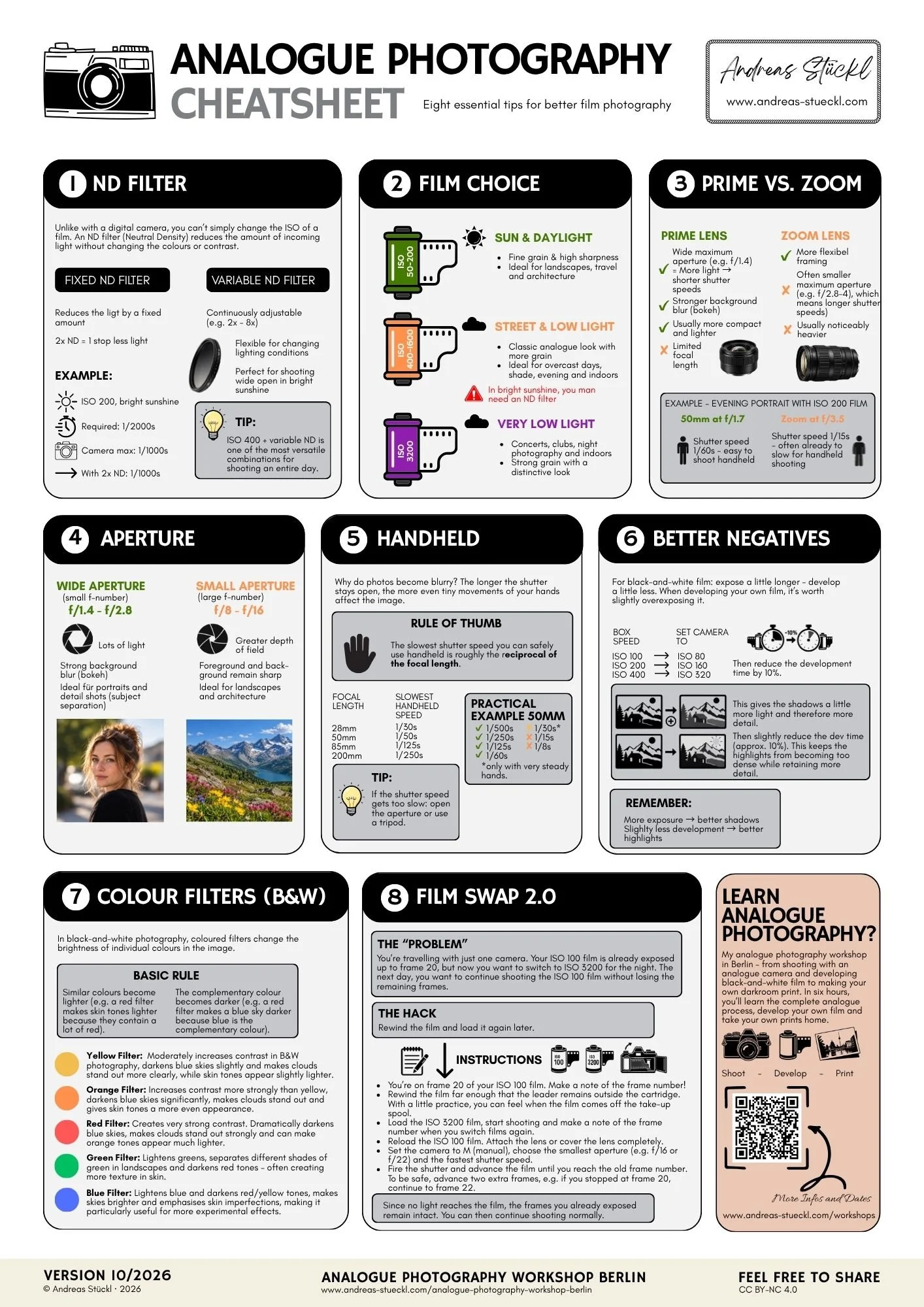
What's Inside the Analogue Photography Cheatsheet?
The cheatsheet covers eight essential topics:
1. ND Filters – Take Control of Light
Learn how neutral density filters reduce the amount of light entering your camera, allowing you to shoot with wider apertures or slower shutter speeds even in bright conditions.
2. Film Choice – Find the Right ISO
From ISO 50 for bright daylight to ISO 3200 for challenging low-light situations, discover how to choose the right film for different subjects and lighting conditions.
3. Prime vs. Zoom Lenses
Understand the advantages of fixed focal length and zoom lenses, and how your choice can influence sharpness, flexibility and your photographic approach.
4. Aperture – Control Depth of Field
Discover how different aperture settings affect exposure, background blur and depth of field – from portraits with soft backgrounds to landscapes with everything in focus.
5. Handheld Photography – Avoid Camera Shake
Learn a simple rule of thumb for choosing shutter speeds when shooting handheld, helping you capture sharper photographs without a tripod.
6. Better Negatives – Exposure and Development
Find out why exposing black-and-white film a little more generously and adjusting development can help preserve shadow detail and highlight information.
7. Colour Filters for Black-and-White Film
Explore how yellow, orange, red, green and blue filters change the tonal relationships in black-and-white photographs.
8. Film Swap 2.0 – A Practical Camera Hack
Want to switch between two different films without wasting the remaining frames? Learn a simple technique for rewinding and reloading partially exposed rolls.
Download Your Free Analogue Photography Cheatsheet (PDF)
I've designed this one-page photography guide to be easy to read, print and take with you. Keep it on your phone, pin it above your desk or put a printed copy in your camera bag for your next photo walk.
Learn Analogue Photography in Berlin
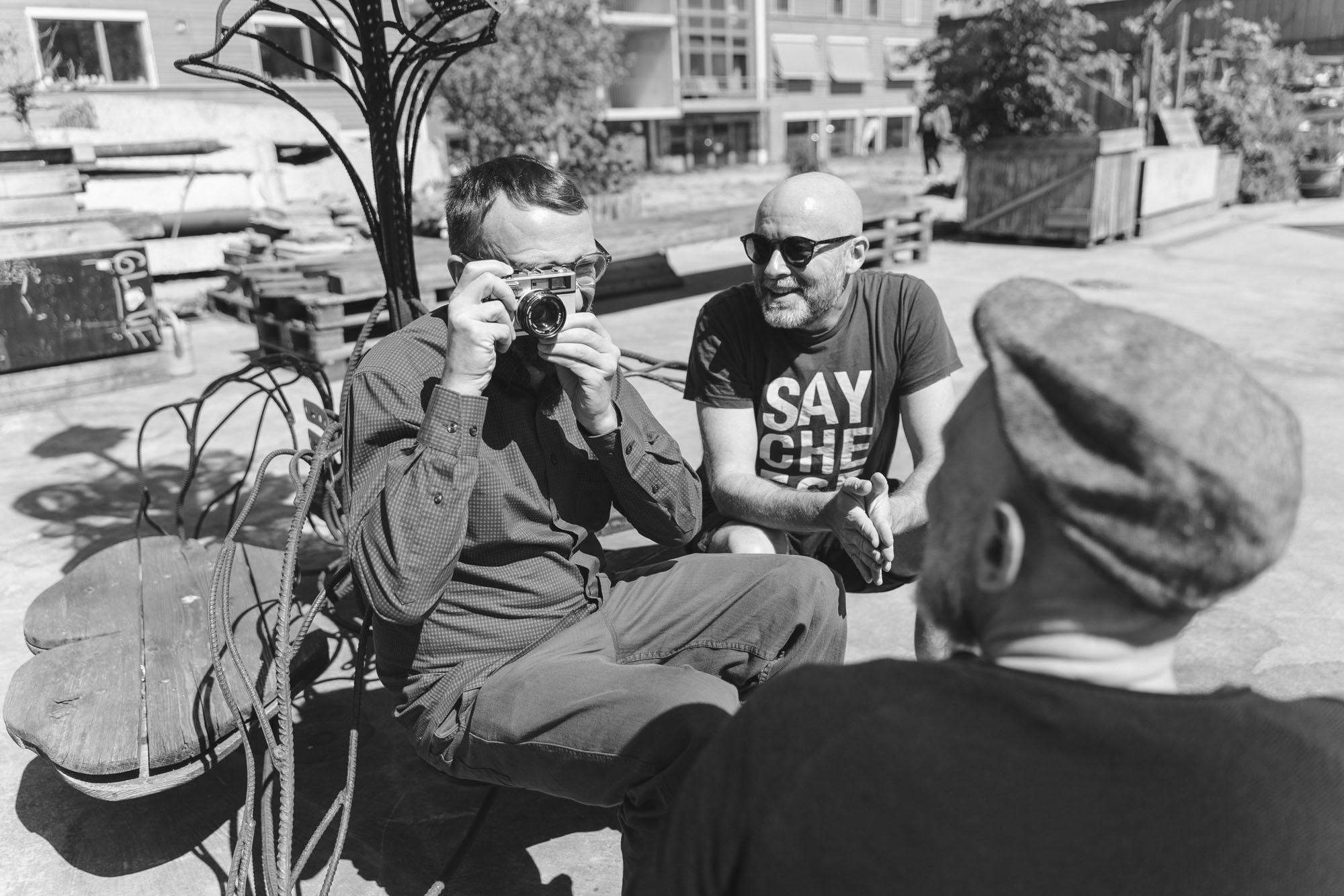
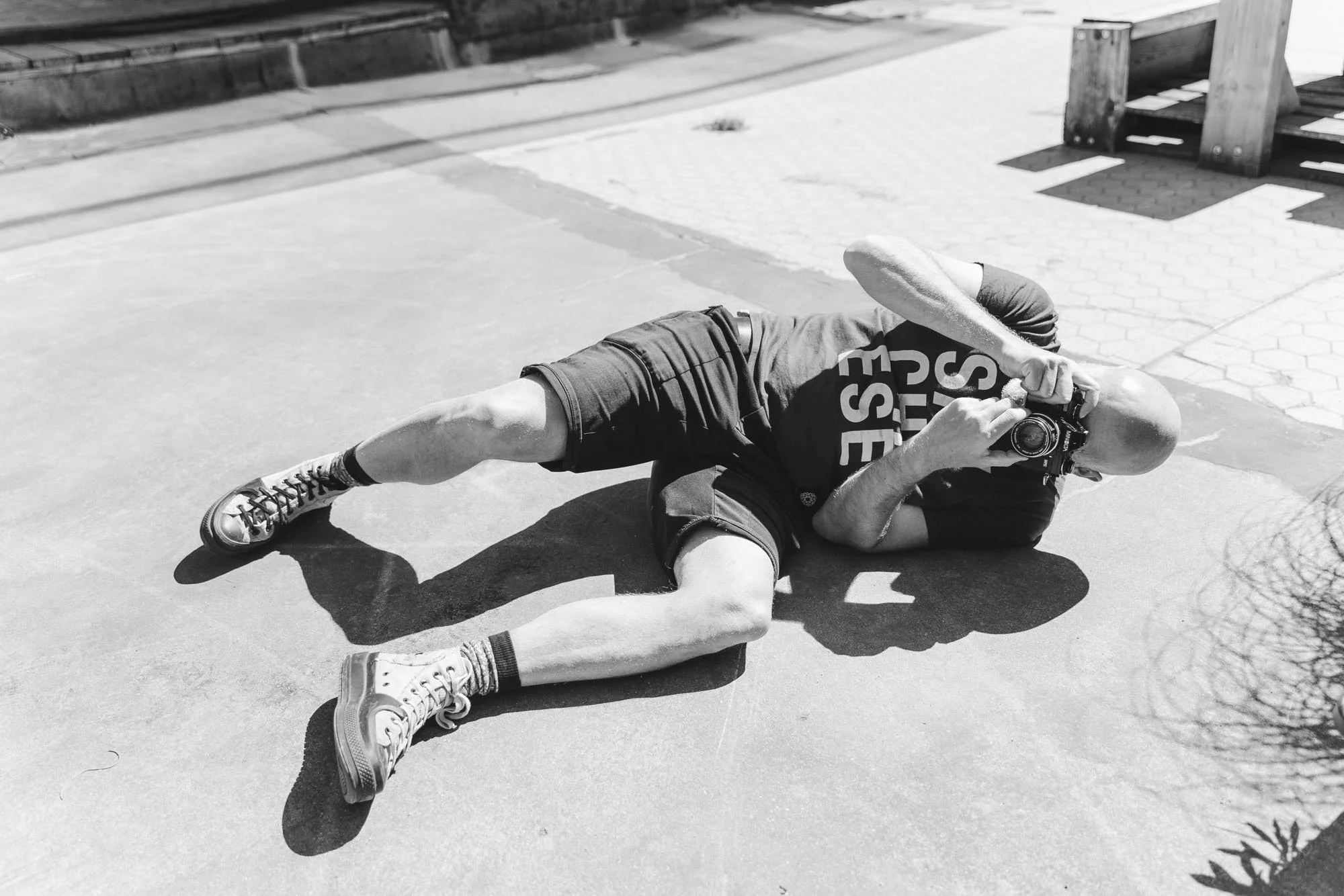
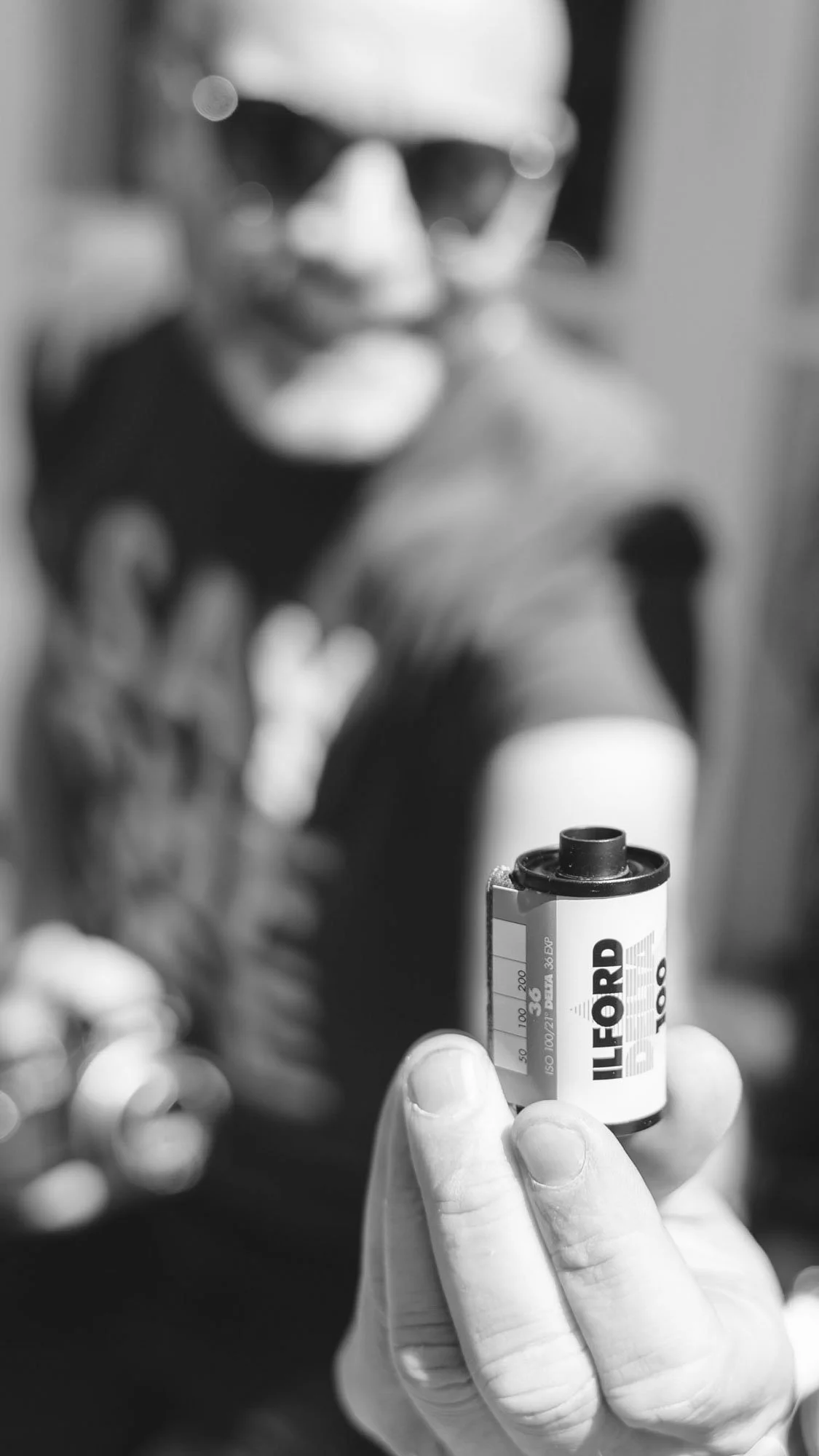
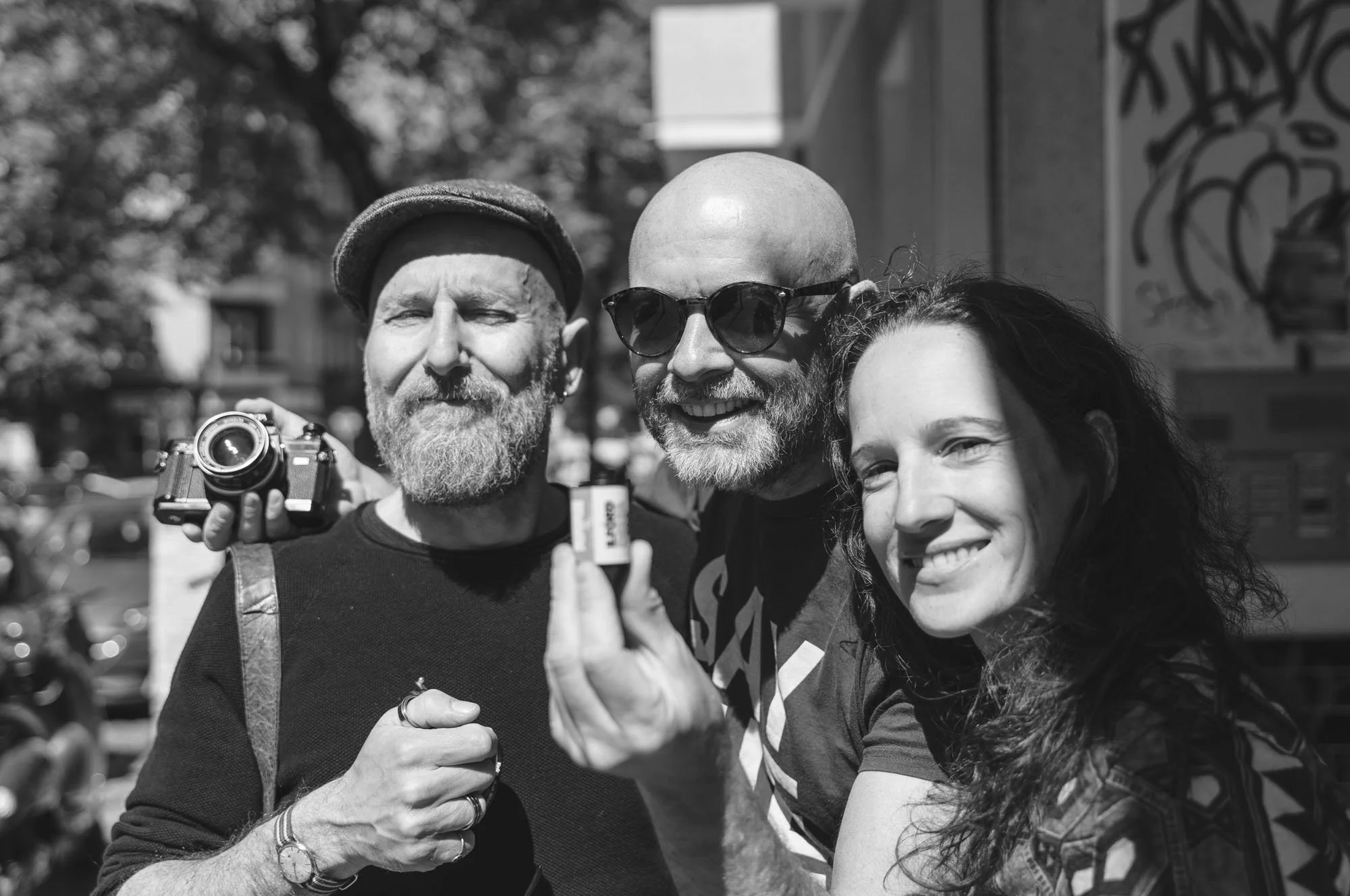
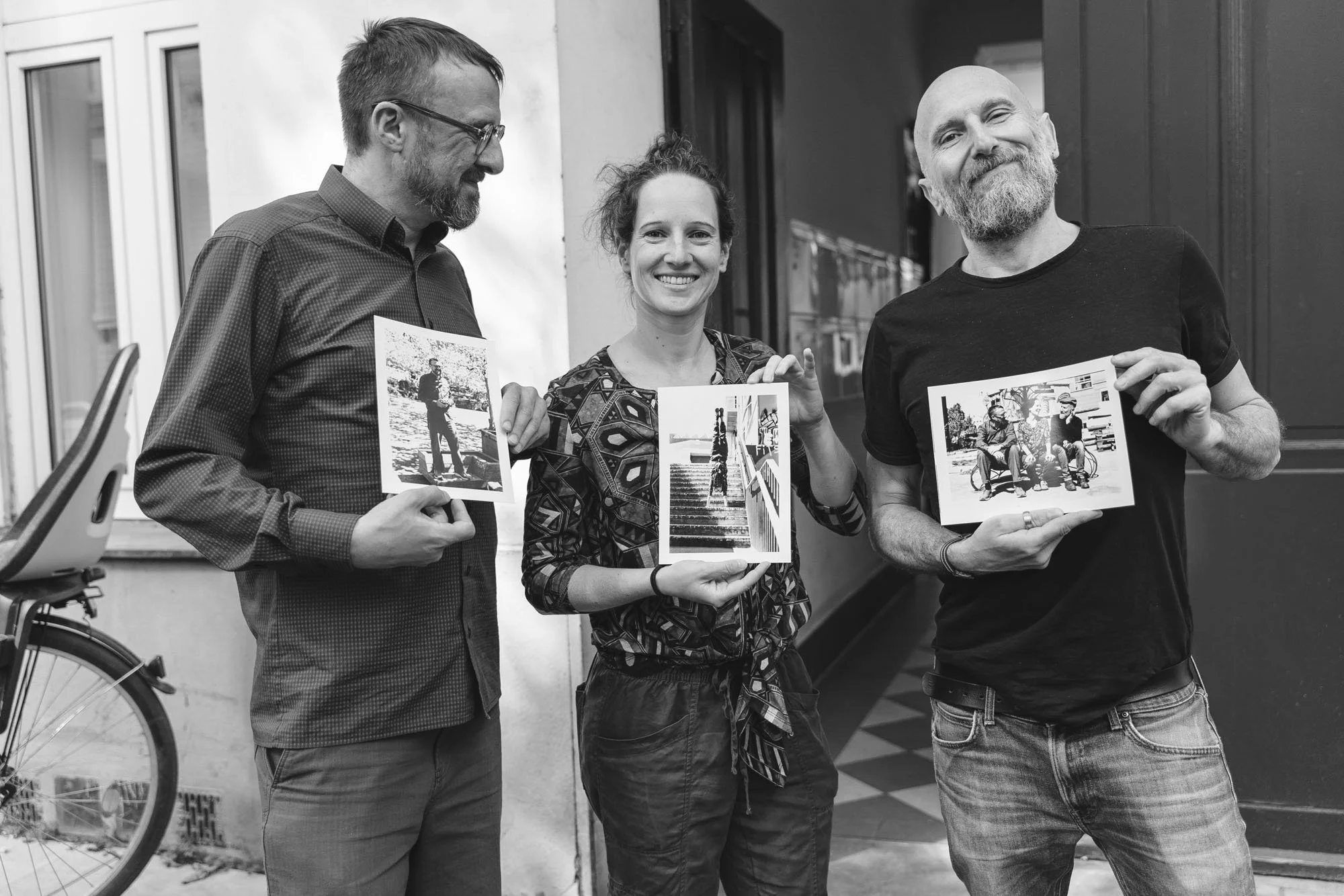
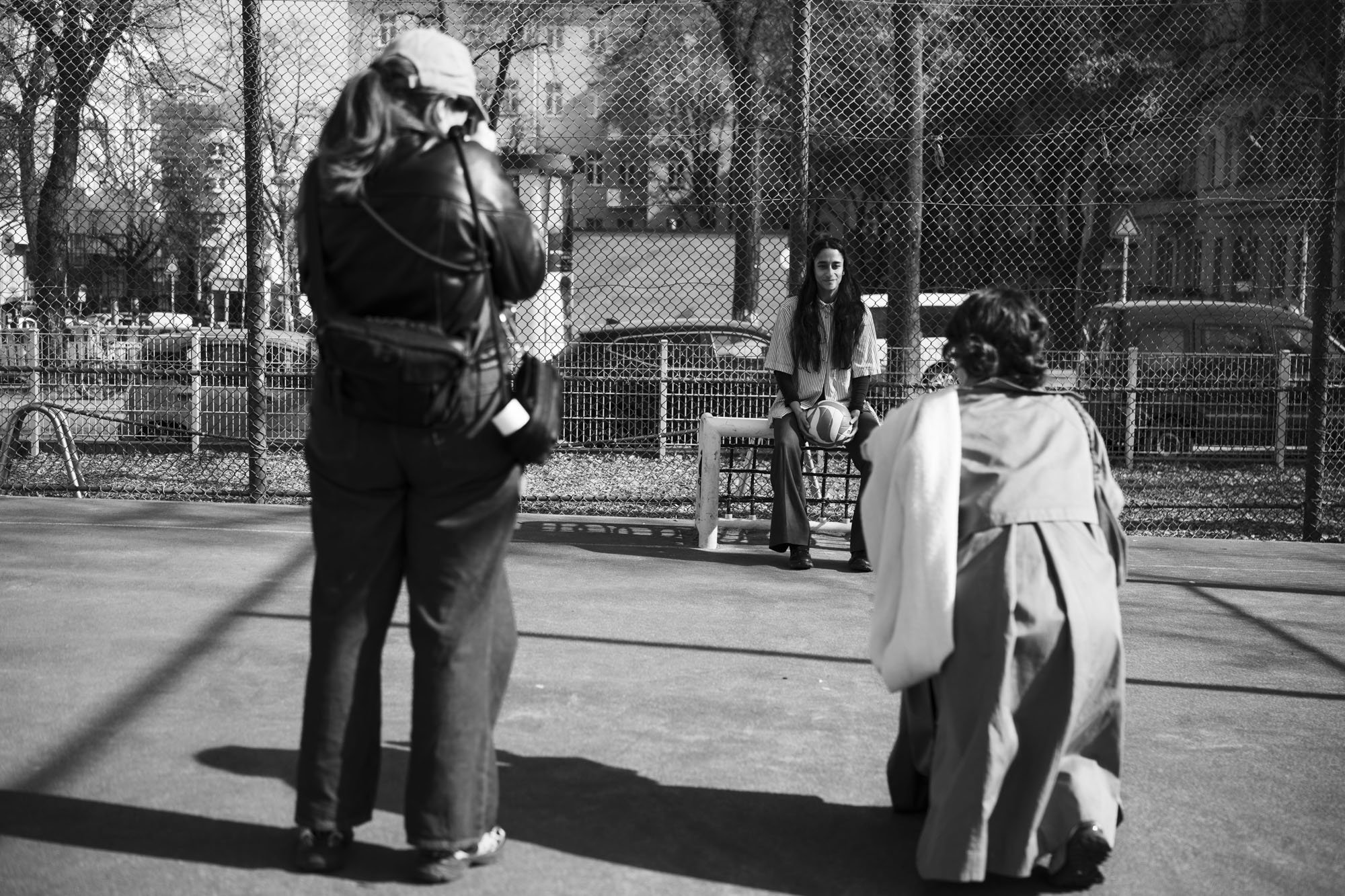
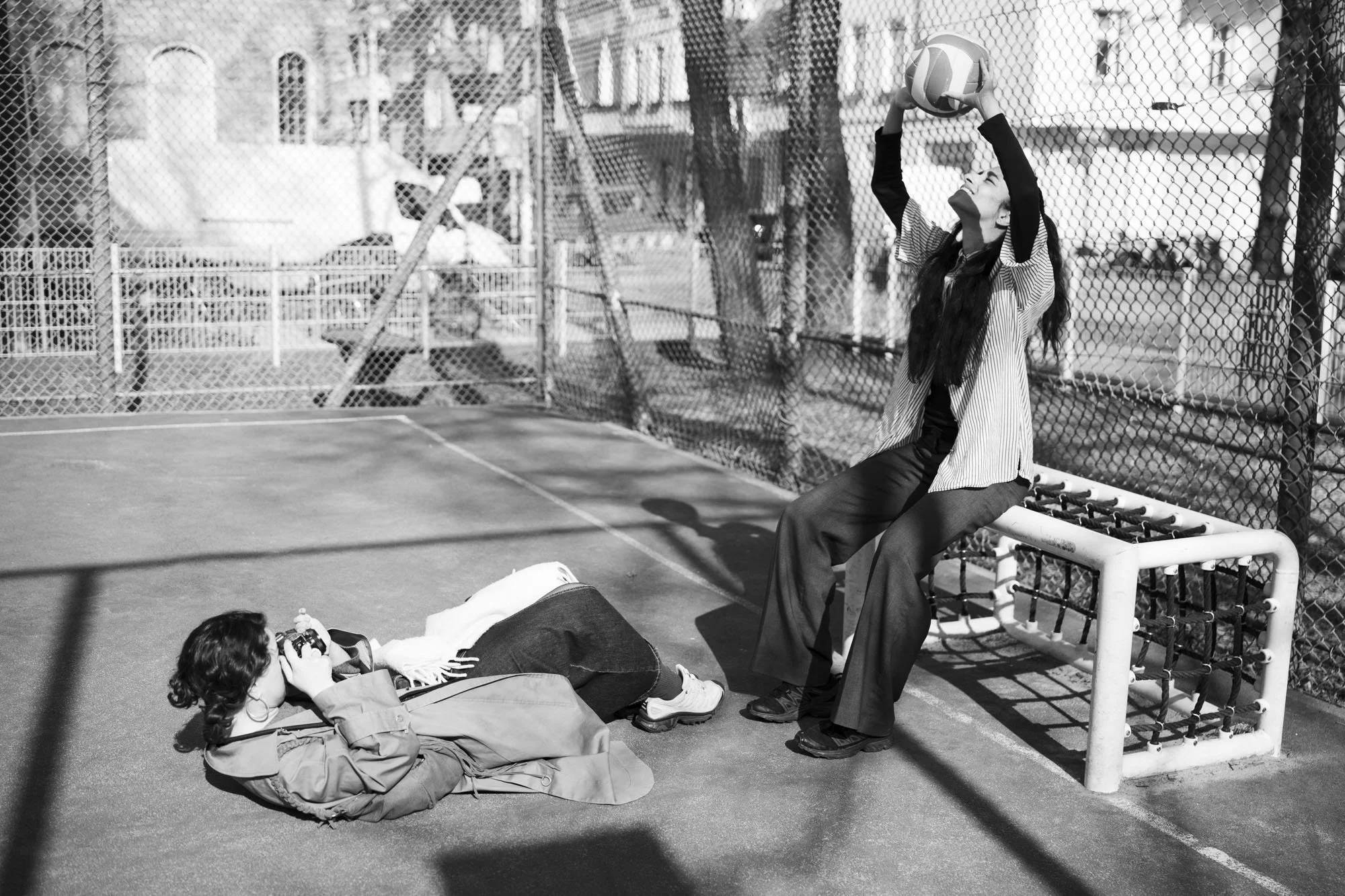
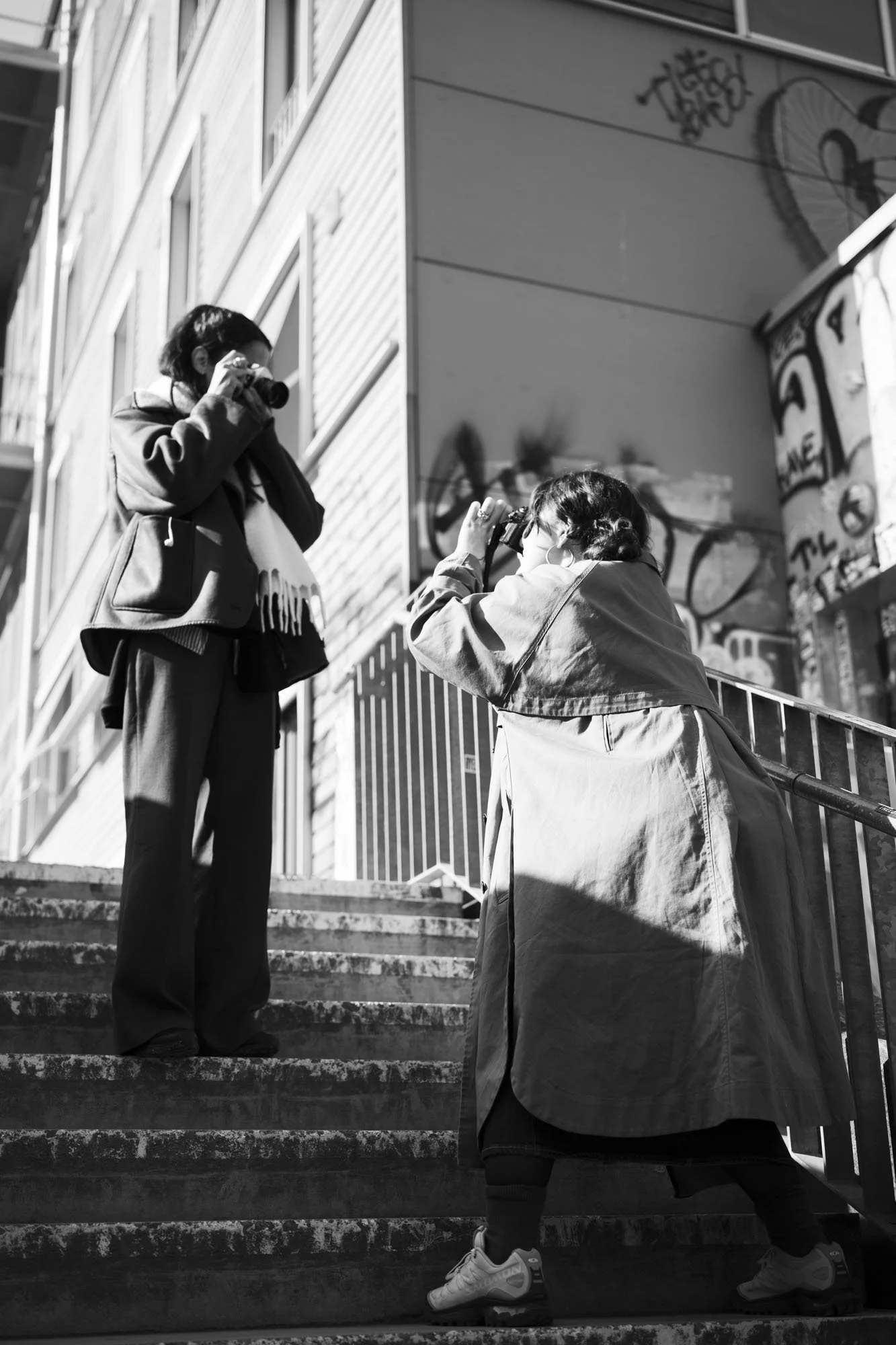
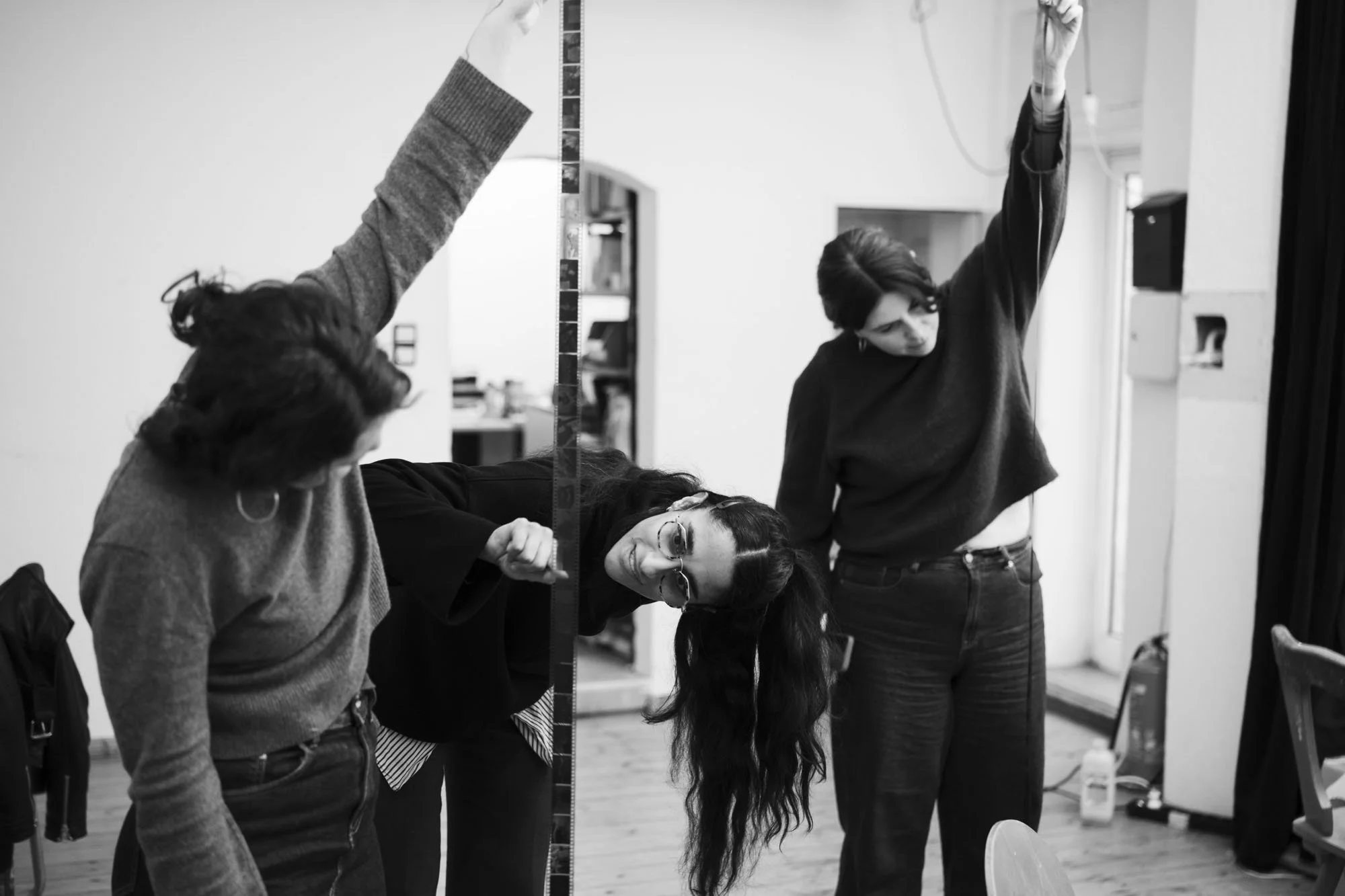
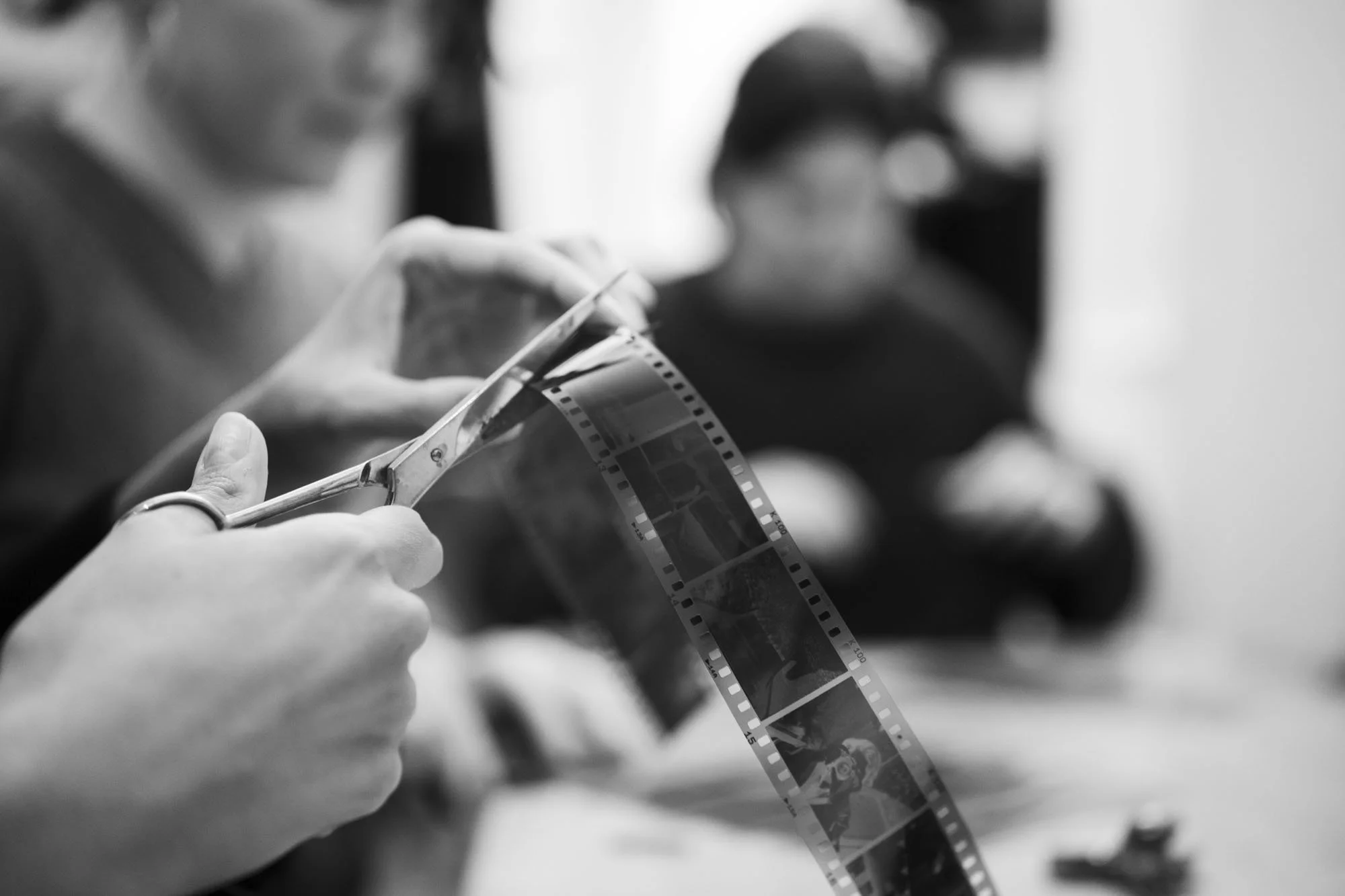
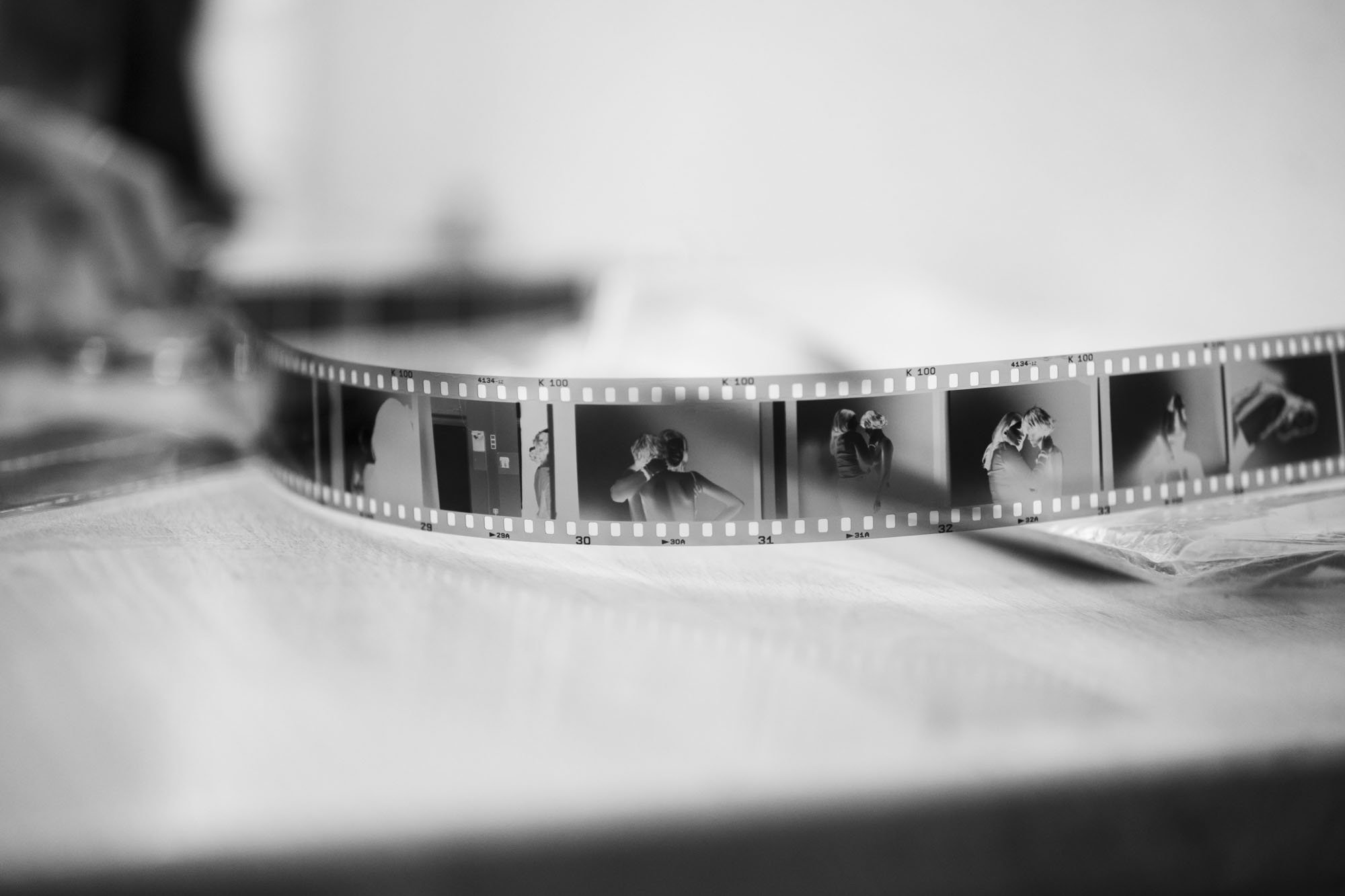
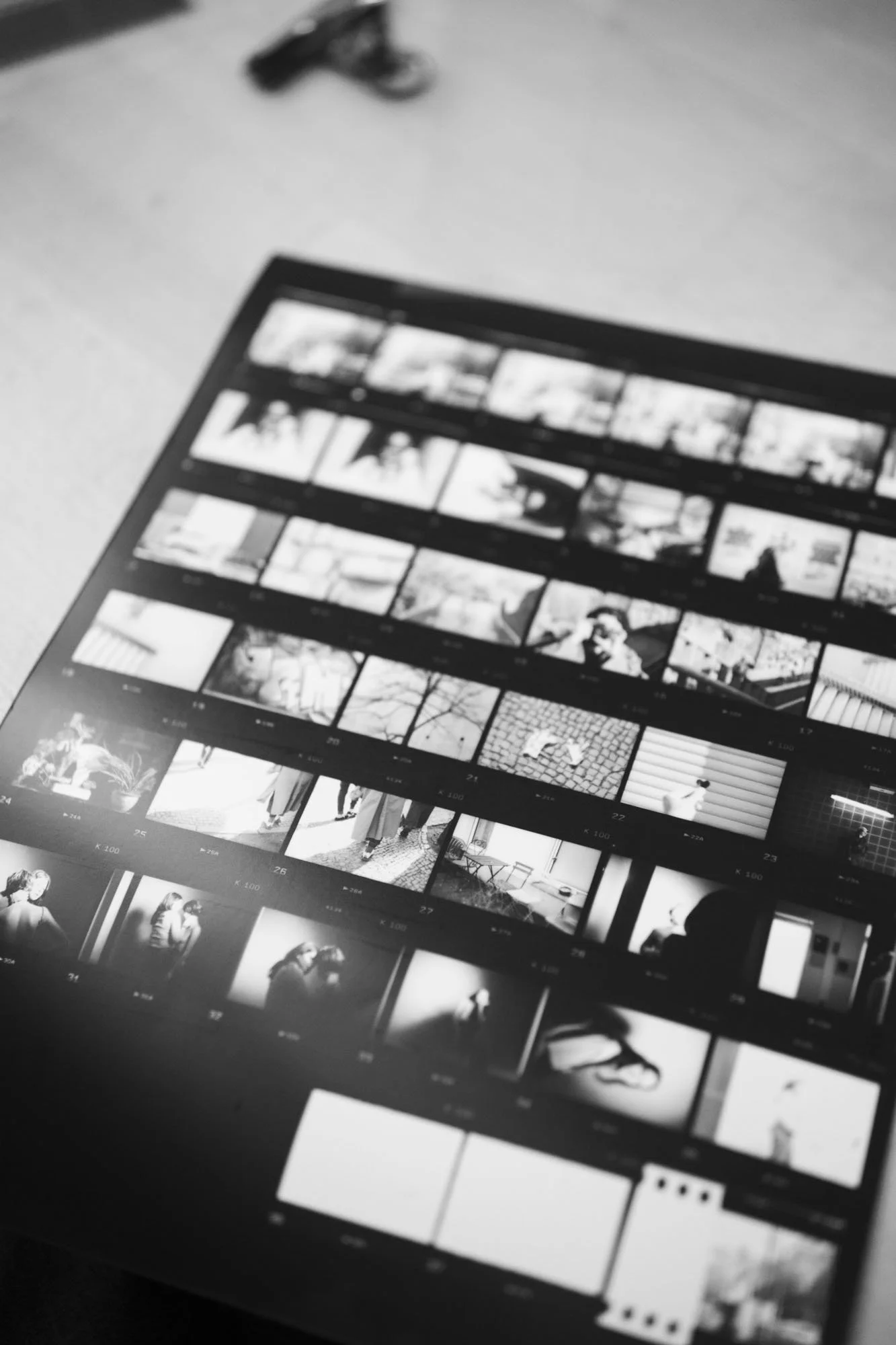
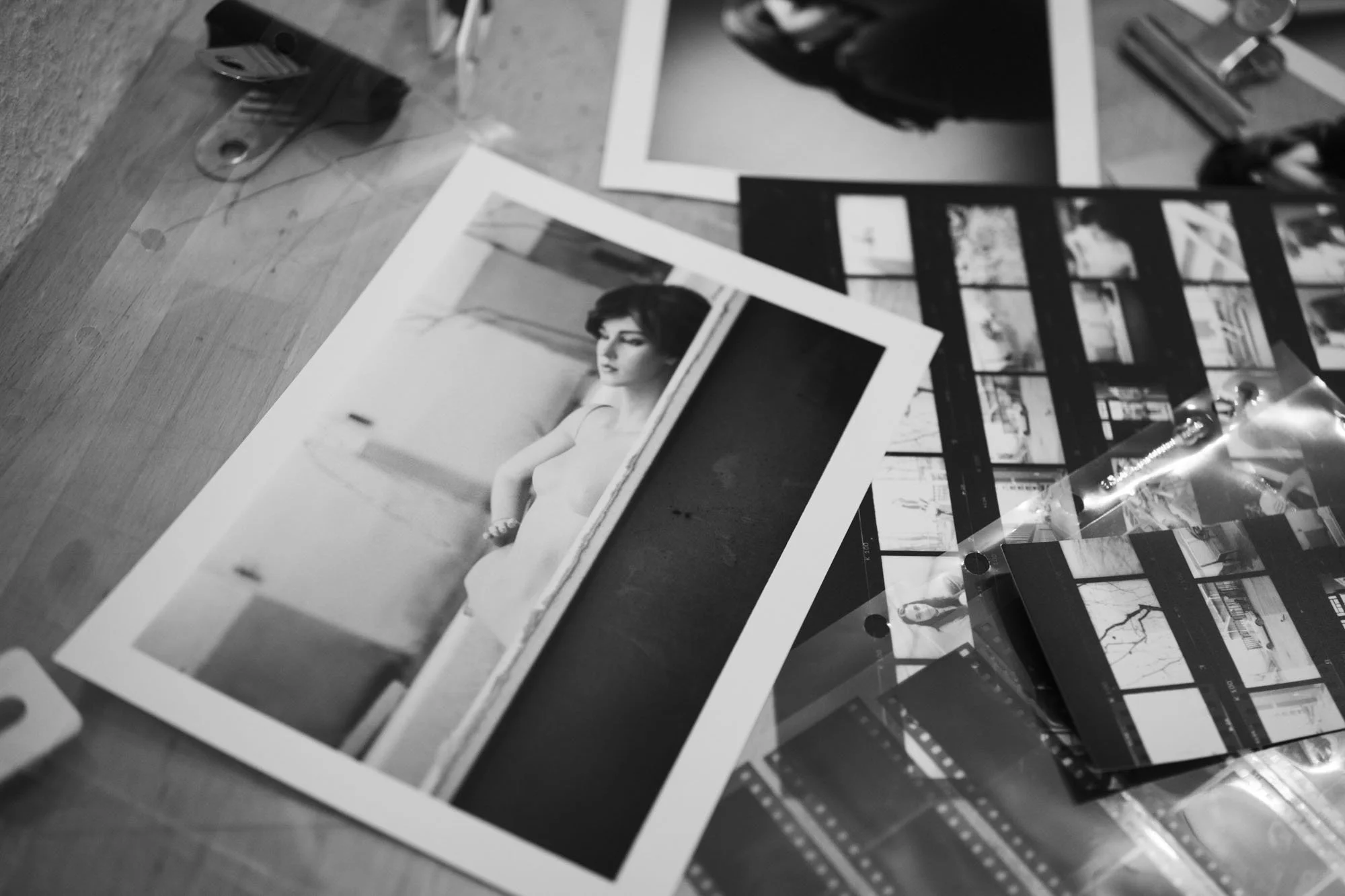
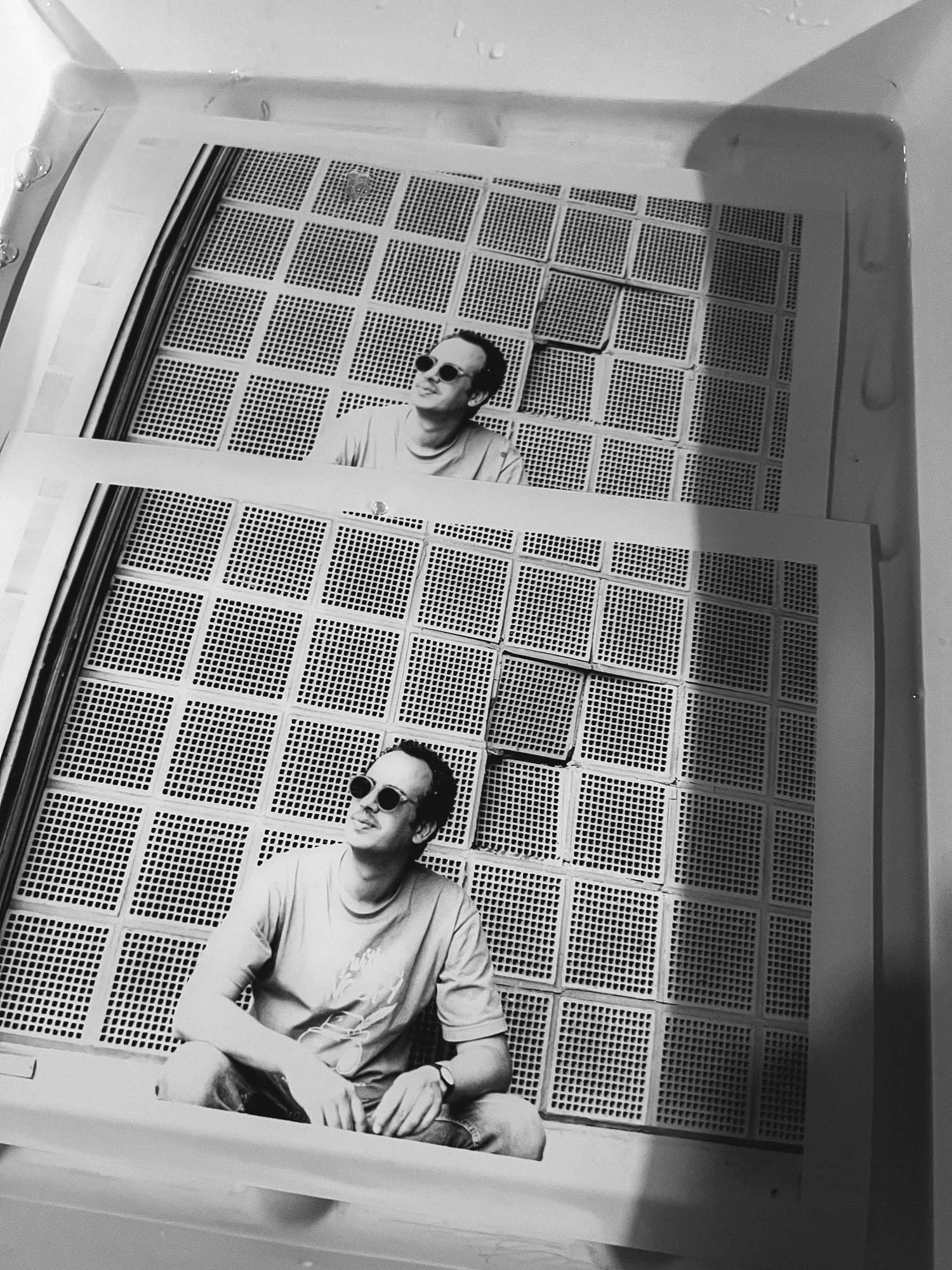
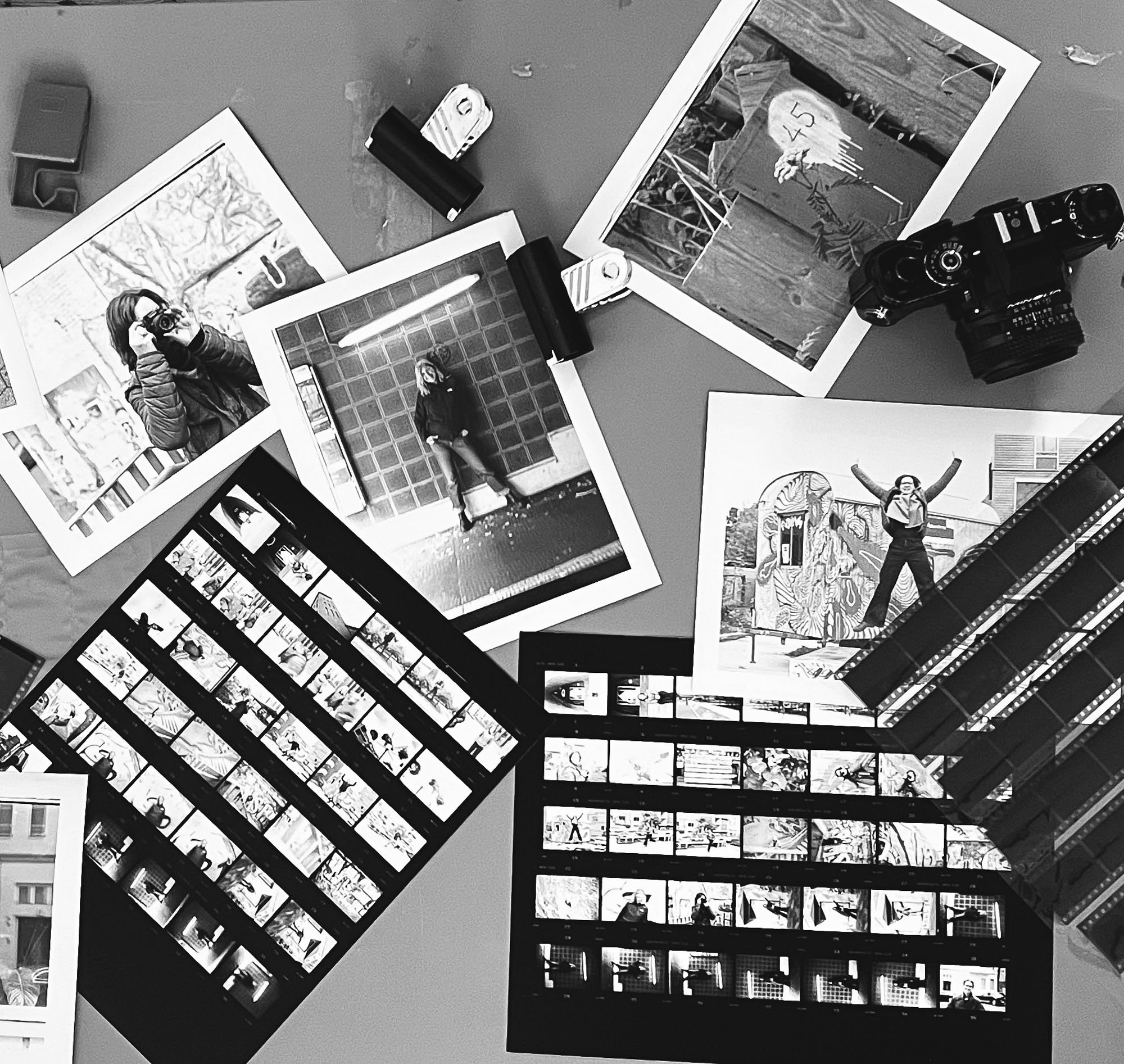
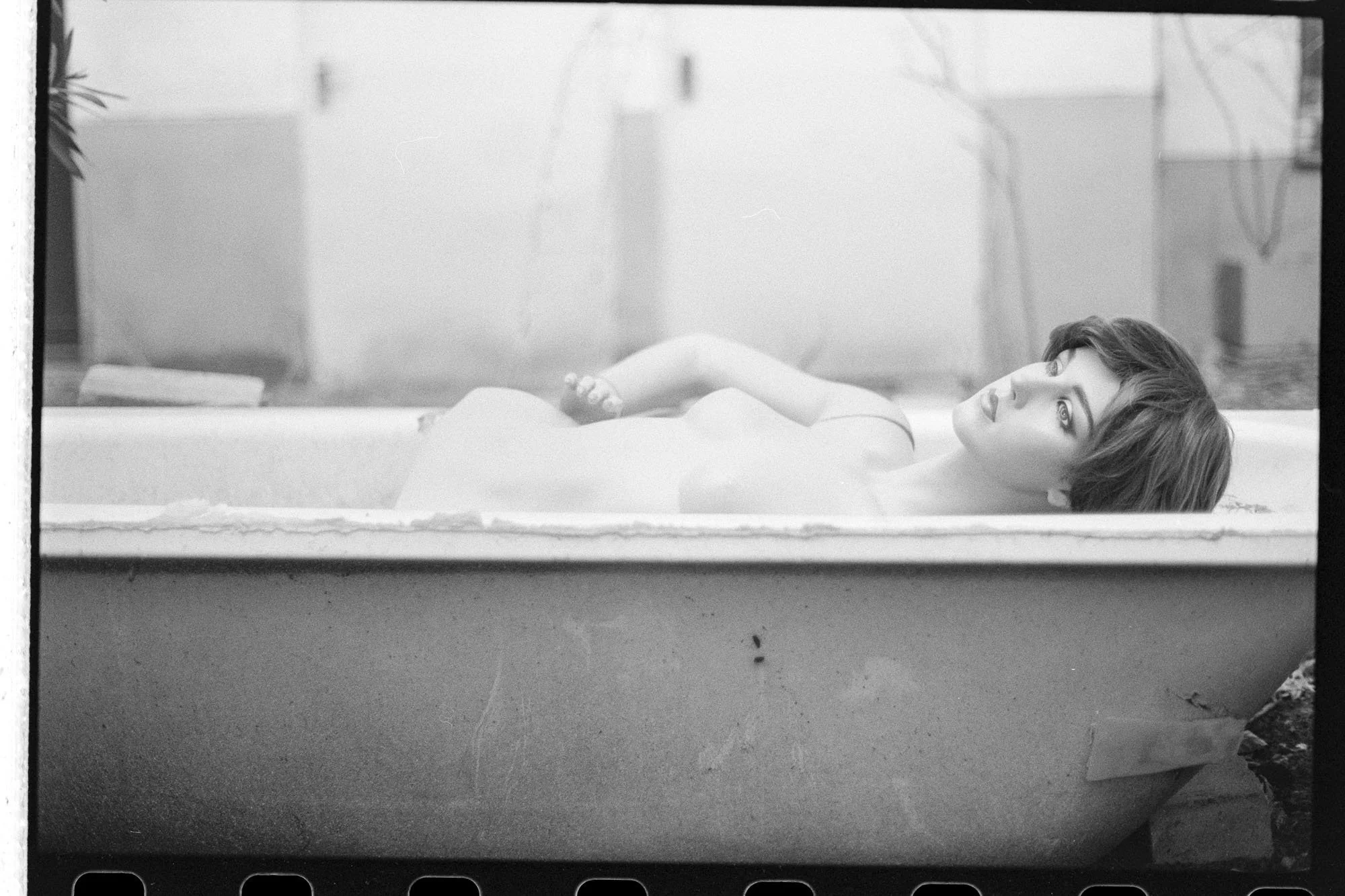
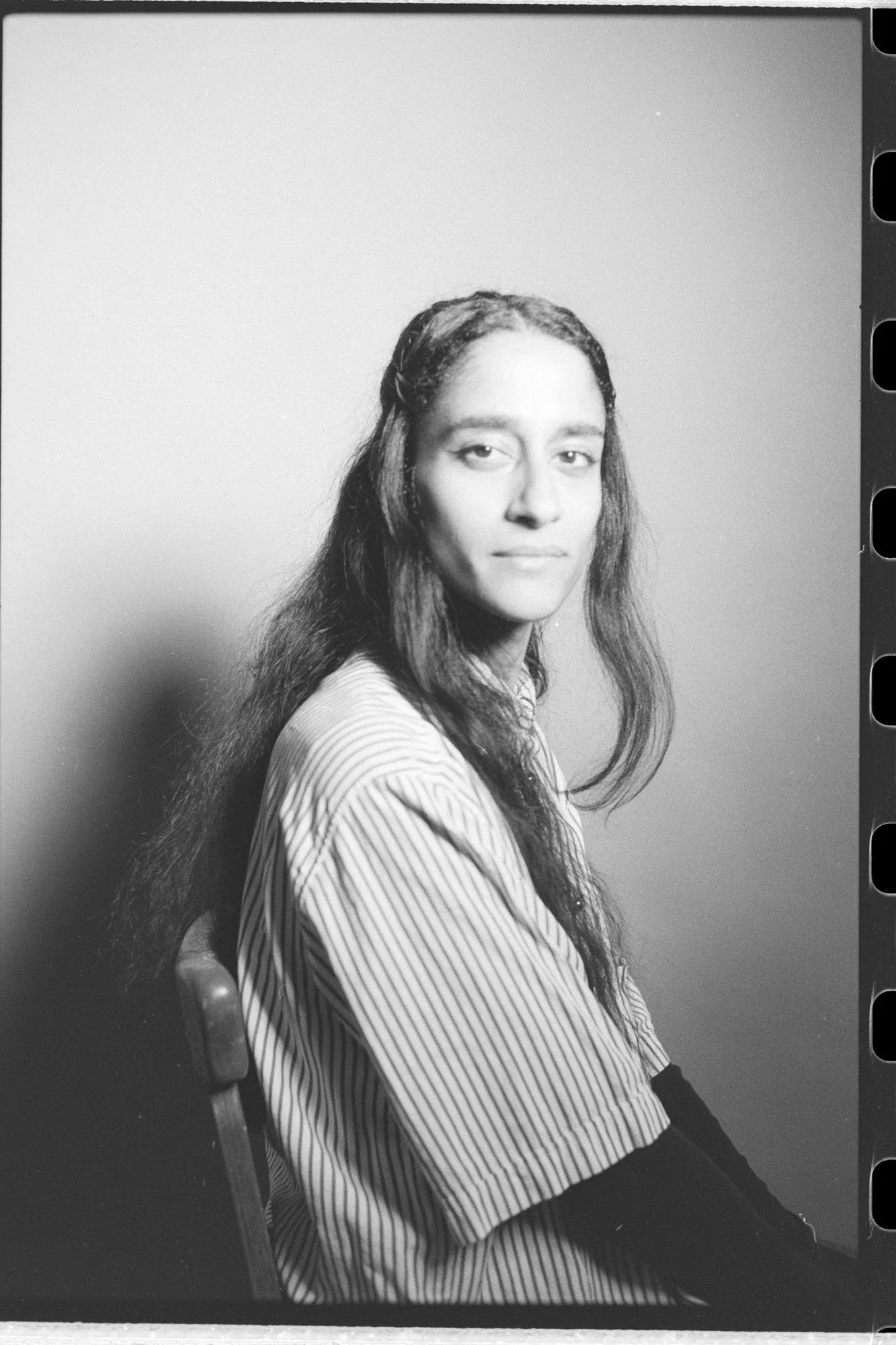
Want to go beyond the theory and experience the entire analogue photographic process?
In my Analogue Photography Workshop in Berlin, we'll explore film photography together – from loading a camera and shooting on the streets of Neukölln to developing black-and-white film and making your own photographic prints in the darkroom.
The six-hour workshop takes place at Fotografie Berlin e.V. and is designed for beginners as well as anyone looking to rediscover analogue photography.
Cameras, film and materials are provided, and no previous experience is necessary.
Discover the Analogue Photography Workshop in Berlin
Happy shooting!
Andreas Stückl – Photographer & Workshop Instructor, Berlin